In the tropical climate of Uganda, where heavy seasonal rains are the norm, homeowners in Kampala, Entebbe, and Wakiso frequently face a silent threat to their investments: moisture infiltration. Dealing with dampness in walls is not merely an aesthetic concern involving peeling paint or unsightly stains; it is a critical matter of maintaining the structural integrity of your building. If left unaddressed, rising damp and penetrating moisture can weaken the very fabric of your home, leading to costly repairs and a significant dip in property valuation.
Why Dampness Occurs in Ugandan Buildings
Most cases of wall dampness in regions like Kira and Najjera stem from a failure in the initial construction phase. Moisture often rises from the ground through capillary action—known as rising damp—or penetrates through porous blocks during the rainy season.
Professional contractors prioritize the Building Control Act 2026 standards, which mandate proper DPC (Damp Proof Course) installation. At Spring Contractors Limited, we understand that preventing damp starts with the right concrete grade and a successful slump test during the foundation pour. If the BOM (Bill of Materials) lacks quality waterproofing agents, the load-bearing walls essentially act like a sponge, drawing moisture upward from the soil.
Professional Strategies for Dealing with Dampness in Walls
To effectively solve the issue, one must move beyond “covering up” the damage with new paint. Here are the authoritative steps to permanent remediation:
1. Identify the Source
Before applying any chemical treatments, determine if the damp is “rising” (from the foundation) or “penetrating” (from leaking pipes or external rain). In areas with high water tables, such as Entebbe, rising damp is the most common culprit.
2. External Waterproofing and Drainage
Ensure that the external ground level is not higher than your DPC. Improving the drainage around your acreage ensures that runoff water flows away from the structure rather than pooling at the base of the walls.
3. Structural Repairs
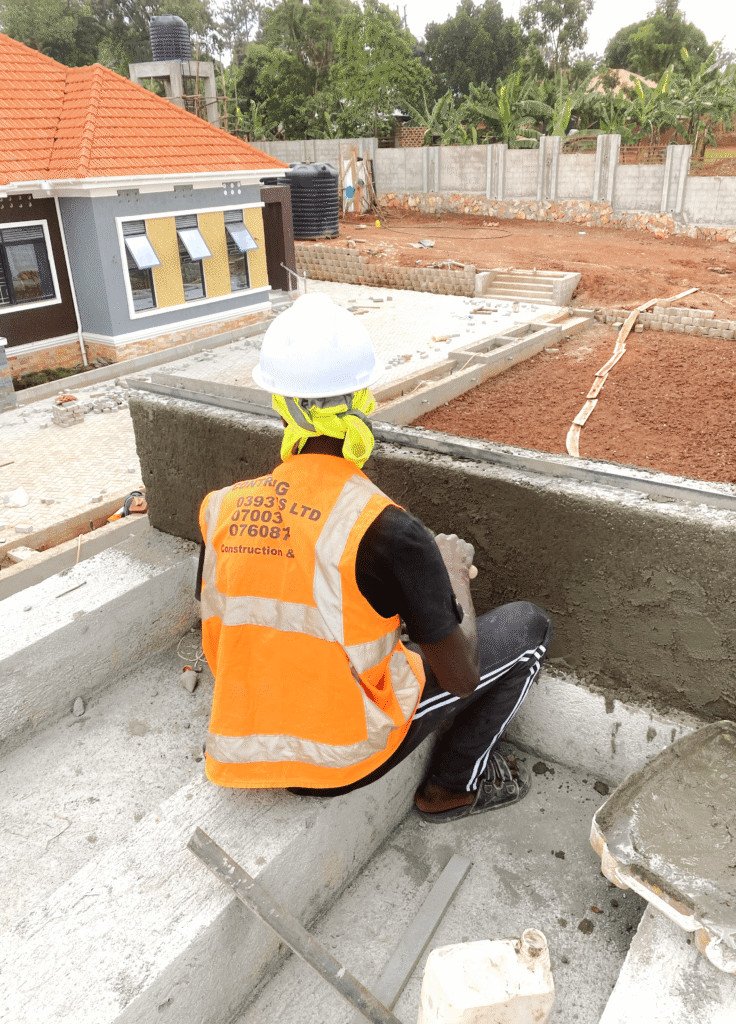
If the dampness has compromised the structural integrity of the mortar, it may be necessary to strip the plaster and inject a chemical DPC. This creates a hydrophobic barrier that prevents water from traveling through the masonry.
The Connection Between Property Value and Security
A damp home is a devalued home. In the Ugandan market, investors looking for prime land tenure and developed assets will immediately discount a property showing signs of moisture damage. Proper maintenance ensures that your valuation remains high, whether the property is situated in Najjera or the upscale hills of Kampala. You can find expertly vetted and well-maintained investment opportunities through Lighthouse Properties, where we prioritize assets that meet high structural standards.
Furthermore, a damp-free home is easier to secure. High humidity and moisture can interfere with sensitive electronic components in your site security systems. To ensure your surveillance stays operational 24/7 without weather-related interference, CCTV Tech Solutions provides advanced monitoring setups that are ruggedized for the Ugandan climate, protecting both your walls and your peace of mind.
Conclusion: Protect Your Investment
Dealing with dampness in walls requires a technical approach that respects the physics of construction. By ensuring your project uses the correct concrete grade and adheres to the Building Control Act 2026, you prevent moisture from ever becoming an issue. For those already facing these challenges, timely intervention is key to preserving the load-bearing capacity of your home. Protecting your structure from dampness is an investment in the longevity and safety of your property, ensuring it remains a valuable asset for decades to come.