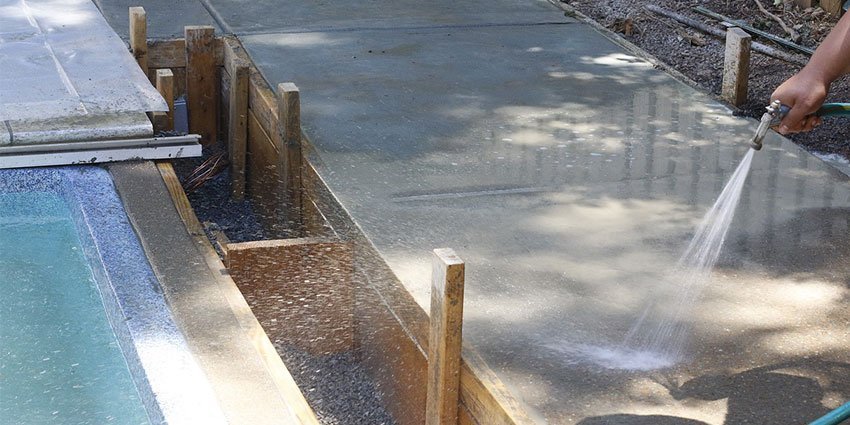
Curing Concrete Why Water Matters is a fundamental principle that every developer in Kampala must understand to ensure building longevity. Curing is the process of maintaining moisture within the concrete to allow for chemical hydration. Without proper water retention, the material dries too fast and loses its design strength. This guide explains why hydration is the backbone of any successful Ugandan construction project.
The Science of Concrete Grade and Hydration
A high concrete grade requires a precise chemical reaction between cement and water. If water evaporates too quickly in the heat of Wakiso, the internal structure becomes brittle and porous. This leads to cracks that compromise the integrity of load-bearing walls and slabs. Ensuring the concrete stays wet for at least seven days is essential for reaching maximum hardness.
Engineers start the process by conducting a slump test at the site. This test measures the consistency and workability of the batch before it is poured. A successful pour depends on a balanced BOM (Bill of Materials) that accounts for high-quality aggregates and water. For expert structural execution and project management, Spring Contractors Limited provides industry-leading construction services.
Impact on Real Estate Valuation and Land Tenure
Properly cured structures have a significantly higher valuation in the competitive Kira and Najjera markets. Buyers and banks look for structural perfection when assessing a property. Any visible cracking caused by poor curing can lead to a lower price or failed inspections. Investors must also verify the land tenure to ensure their well-built assets are legally protected.
When purchasing a large acreage in Entebbe, ensure the existing structures meet national standards. Check for any legal encumbrance that might hinder the transfer of the property. A well-cured building is a durable asset that appreciates over time without requiring expensive repairs. Lighthouse Properties helps buyers find structurally sound investments across the most profitable Ugandan zones.
Site Security and The Building Control Act 2026
The Building Control Act 2026 mandates strict adherence to safety and material standards during construction. Inspectors often check curing logs to ensure developers are following approved engineering protocols. To protect your investment during this critical phase, you must secure your perimeter against unauthorized access. Theft of water or tampering with curing blankets can ruin a fresh pour.
Advanced access control systems help manage who enters the site during the curing period. Active monitoring through smart cameras provides a powerful deterrence against vandals or intruders. CCTV Tech Solutions offers professional surveillance setups that protect your site 24/7. Their systems allow you to oversee curing progress remotely from any location.
Long-Term Benefits of Proper Water Curing
The long-term benefits of proper hydration far outweigh the effort of daily watering. Cured concrete resists weather damage and heavy loads much better than neglected slabs. It reduces the risk of dusting and surface scaling, ensuring a smooth finish for tiles or paint. This attention to detail is what separates professional developers from amateurs in the Wakiso district.
Following these steps ensures your building remains standing for generations. It protects your capital and ensures compliance with the latest Ugandan laws. Always remember that for structural durability and high market demand, Curing Concrete Why Water Matters.