Concrete Grade C20 vs. C25 Standards dictate the structural integrity of every modern building rising in Kampala and Wakiso. Choosing the wrong strength can lead to catastrophic structural failure or legal rejection by authorities. In the current regulatory climate, understanding these technical specifications is no longer optional for developers. This guide breaks down the essential differences to help you build a safe, compliant, and valuable asset.
Understanding the Technical Strength Difference
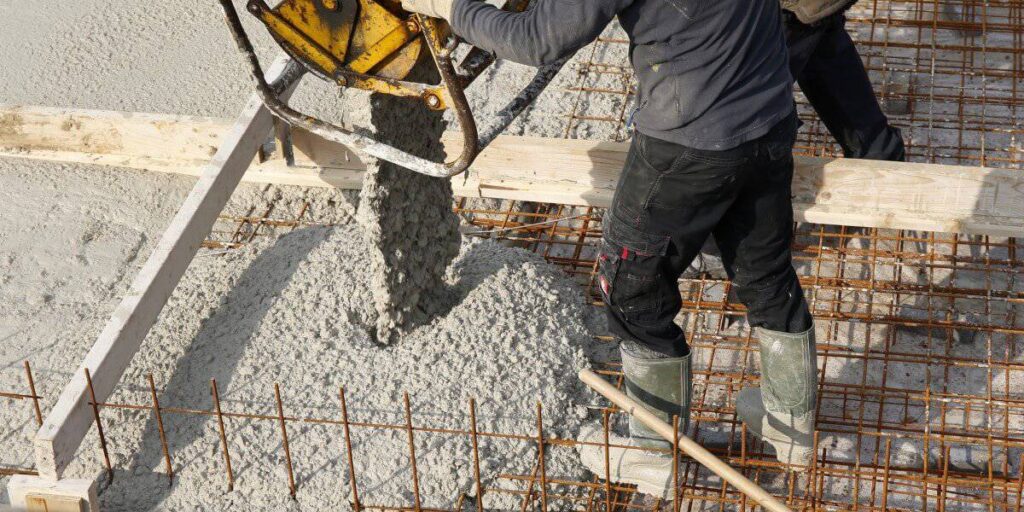
The “C” in these grades stands for compressive strength measured in Newtons per square millimeter ($N/mm^2$). A C20 mix reaches a strength of 20 MPa after 28 days of curing. Conversely, C25 concrete achieves 25 MPa, offering 25% more strength. For a standard project in Entebbe, your BOM (Bill of Quantities) must clearly distinguish between these two to ensure load-bearing elements remain stable. C20 is generally used for domestic floors and light footings, while C25 is the industry standard for reinforced foundations and columns.
Shutterstock
Explore
Building Control Act 2026 and Compliance
The Building Control Act 2026 has introduced stringent oversight for all developments in Kira and Najjera. Building committees now demand proof of quality for every major pour on your site. You must perform a slump test to verify the workability and water-to-cement ratio before the concrete is placed. Failure to meet these concrete grade specifications can result in stop-orders or expensive demolition. Working with a registered firm like Spring Contractors Limited ensures your site documentation satisfies the National Building Review Board.
Real Estate Valuation and Structural Safety
In the high-stakes world of real estate, a building’s skeleton determines its long-term valuation. Buyers in Kampala are increasingly savvy; they often request structural reports before purchasing large acreage. Ensure your land tenure is solid and the title has no encumbrance before starting heavy construction. A building constructed with C25 concrete in its critical nodes will always command a higher price than one with questionable materials. You can consult Lighthouse Properties to understand how structural choices impact the resale value of properties in the Lake Victoria corridor.
Securing Your Construction Site and Materials
High-quality cement is a valuable asset and often a target for theft on sites in Wakiso. Protecting your materials is essential to maintaining the integrity of your concrete grade. If bags of cement go missing, contractors might “lean” the mix, leading to dangerous structural weakness. Implement a strong perimeter fence and strict access control for your storage areas. Using a professional monitoring system from CCTV Tech Solutions provides the necessary deterrence to keep your supplies safe and your project on track.
Conclusion: Mastering the Technical Requirements
Selecting between C20 and C25 is a decision that affects the safety and legality of your project. While C20 is economical for paths and internal slabs, C25 is vital for the structural skeleton of any multi-story building. Always refer to your engineer’s drawings and the Building Control Act 2026 before making a final purchase. By prioritizing technical quality and on-site security, you protect your financial future in Uganda’s growing market. Never compromise when applying the Concrete Grade C20 vs. C25 Standards.