
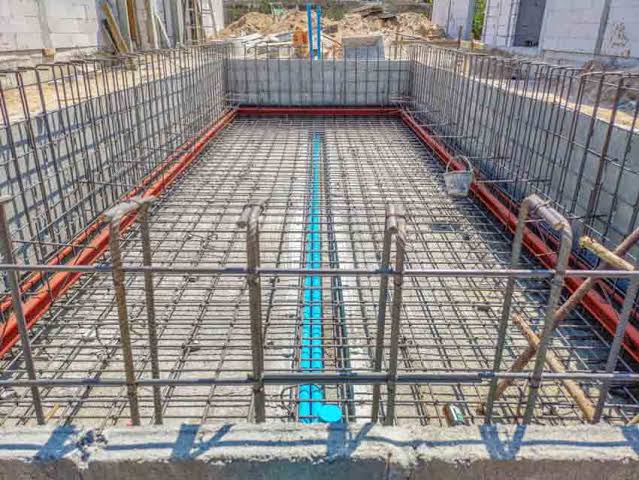
In the construction landscape of Kampala, Wakiso, and Entebbe, the foundation is the most critical component of any structure. A failure here is often irreversible and catastrophic. This Foundation Inspection Guide is designed to help developers and homeowners navigate the technical requirements necessary to ensure a building stands the test of time. Whether you are building a residential bungalow in Najjera or a multi-level commercial complex in Kira, adhering to the Building Control Act 2026 is the baseline for safety and legal compliance.
Why Foundation Inspection Matters
The soil profiles in the Lake Victoria basin vary significantly, from the firm rocky ground of Munyonyo to the expansive clays found in parts of Bweyogerere. Without a rigorous inspection, you risk uneven settlement, which leads to structural cracks. A solid start not only protects your life but also enhances the long-term valuation of your property, a key metric tracked by investment experts like Lighthouse Properties.
1. Pre-Pour Inspection: The Substructure Basics
Before a single drop of concrete is poured, the “trench” or “formwork” must be scrutinized.
- Soil Bearing Capacity: Ensure the excavation has reached the “firm” strata. If the soil is loose, the load-bearing capacity will be compromised.
- Dimensional Accuracy: The widths and depths must match the approved structural drawings.
- Damp Proof Membrane (DPM): In damp-prone areas like Entebbe, verify that a high-quality DPM is laid to prevent capillary action (rising damp).
2. Managing the Concrete Grade and Consistency
The strength of your foundation depends entirely on the concrete grade specified in your Bill of Quantities (BOM). For most residential foundations in Uganda, a Class 20 or Class 25 mix is standard.
The Slump Test: A Critical Check
One of the most effective ways to verify workability on-site is the slump test. If the concrete is too watery, its final strength will be significantly lower than required.
- Reinforcement Check: Ensure the steel bars (BRC or rebar) are free of excessive rust and are elevated using “spacer blocks” so they are fully encased in concrete.
- Compaction: Always ensure a mechanical vibrator is used to remove air pockets, which can weaken the load-bearing columns.
3. Integrating Modern Infrastructure Early
A common mistake in the Ugandan context is forgetting to “sleeve” the foundation for utilities. This is the ideal stage to lay conduits for high-end security cabling. Planning for your perimeter protection and gate surveillance with CCTV Tech Solutions at this stage prevents the need to hack through finished walls later, preserving the structural bond of your masonry.
4. Post-Pour Curing and Backfilling
Once the concrete is poured, the Foundation Inspection Guide moves to the curing phase. In the heat of a Kampala afternoon, concrete can dry too fast, leading to shrinkage cracks.
- Curing Time: The foundation should be kept moist for at least 7 days to reach its design strength.
- Backfilling: Use “hardcore” or approved granular fill. Avoid using organic soil or debris within the foundation perimeter, as this leads to floor “sinking” in the future.
For those who prefer a professional, “turn-key” approach to these technical stages, Spring Contractors Limited provides expert site supervision to ensure every slump test and reinforcement detail meets international standards.
Summary Checklist for Site Owners
To ensure your project remains evergreen and compliant with the Building Control Act 2026, use this summary during your next site visit:
- [ ] Verify the excavation depth matches the structural engineer’s plan.
- [ ] Confirm the concrete grade matches the approved BOM.
- [ ] Conduct a slump test for every fresh batch of concrete.
- [ ] Ensure all steel reinforcement is properly spaced and clean.
- [ ] Sleeve the foundation for future security and plumbing needs.
By following this Foundation Inspection Guide, you secure your investment against the common pitfalls of the Ugandan construction industry. A building is only as good as the ground it stands on—ensure yours is built to last.
Which stage of construction are you currently at with your project in Uganda?