Building a home or commercial property in Uganda is a significant investment, but without a rigorous inspection protocol, that investment is at risk. Structural integrity isn’t just about the strength of the concrete; it’s about a disciplined approach to every stage of the build. Under the Building Control Act 2026, developers now face stricter penalties for non-compliance, making professional oversight more critical than ever.
Whether you are building in Kira, Najjera, or the heart of Kampala, use this evergreen checklist to ensure your structure stands the test of time.
1. Foundation Depth and Soil Assessment
The most common cause of structural failure in Wakiso’s red-clay soils is insufficient foundation depth. Before a single brick is laid, ensure your structural engineer has verified the “firm ground” level.
- The Check: Verify that the foundation trench is clear of loose organic matter and that the concrete grade matches the structural drawings (typically Class 20 or 25 for residential bases).
2. Column Alignment and Verticality
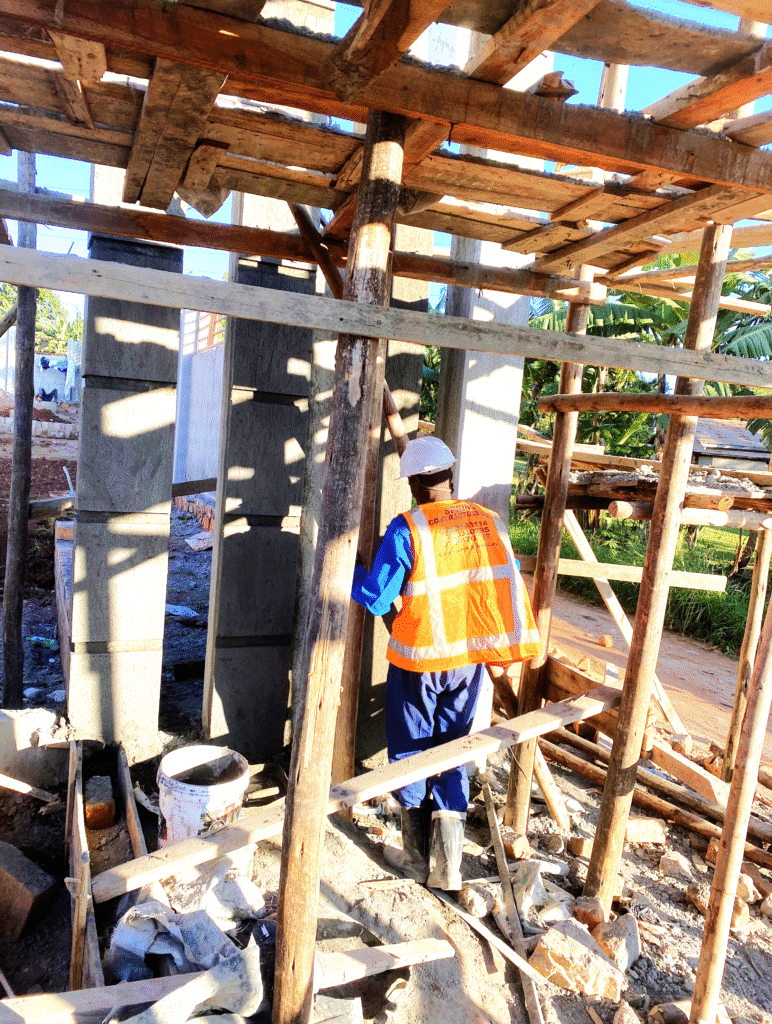
A wall is only as strong as the columns supporting it. Misaligned columns create “eccentric loading,” which eventually leads to those dreaded diagonal cracks.
- The Check: Use a plumb bob or a laser level to ensure verticality. If a column is leaning by even 5mm, it must be addressed before the ring beam is cast. For high-precision monitoring of your site during these critical phases, many developers now integrate remote visual surveillance from partners like cctv – tech solutions Limited to keep a daily record of progress.
3. The Concrete Curing Process
In the Ugandan heat, concrete dries too fast, leading to “shrinkage cracks.”
- The Check: Ensure that slabs and columns are kept damp for at least 7 days. Proper curing increases concrete strength by up to 50%. A structural audit by a certified firm like Spring Contractors Limited often reveals that “weak” concrete was simply poorly cured concrete.
4. Reinforcement Bar (TMT) Quality
Ensure your steel fixers are using the correct diameter bars as specified in the BOM (Bill of Quantities).
- The Check: Look for the manufacturer’s mark on the TMT bars. Use rust-free steel and ensure the “cover” (the distance between the steel and the edge of the concrete) is at least 25mm to prevent future corrosion.
5. Legal Compliance and Documentation
The National Building Review Board (NBRB) has increased site visits across the Northern Bypass corridors.
- The Check: Keep a “Site Instruction Book” and ensure your building permit is displayed. If you are buying a property rather than building, always request a structural integrity report. You can find pre-vetted, structurally sound listings at lighthousepropertiesug.com.
Summary
Structural engineering in Kampala requires a balance of local knowledge and international standards. By following this checklist, you mitigate the risks of costly retrofitting or, worse, structural collapse.